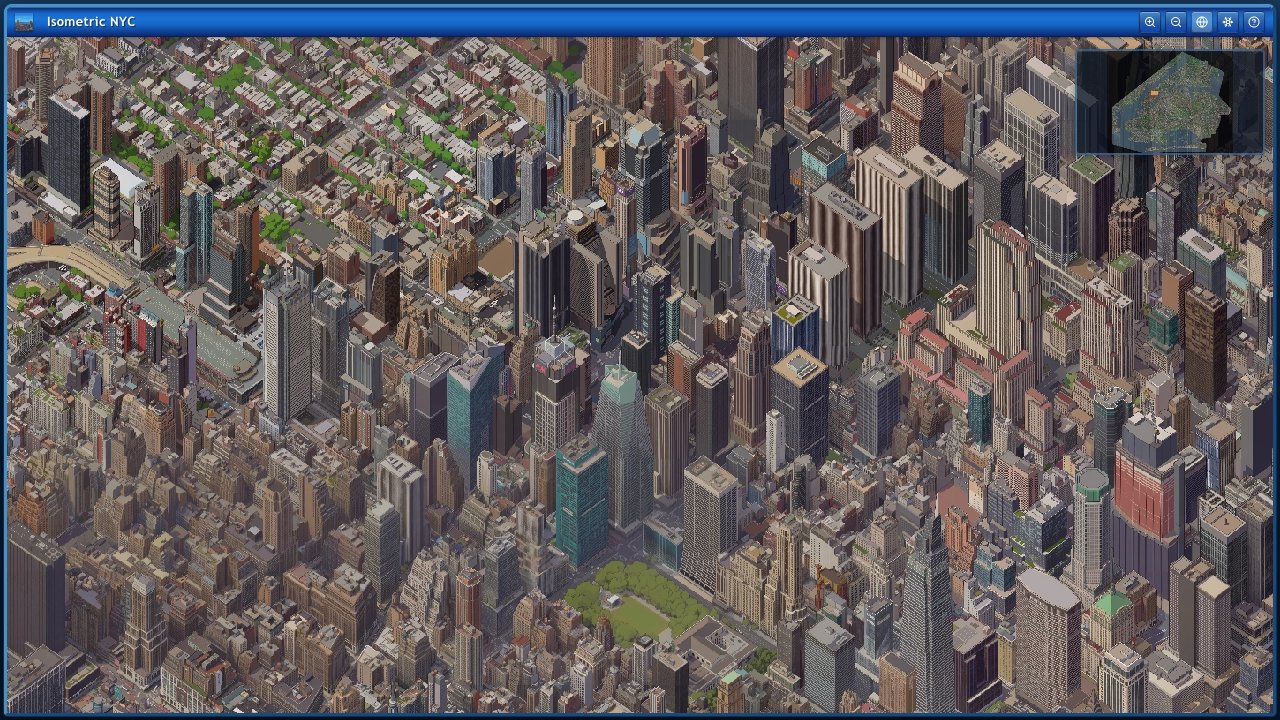
What it is
isometric.nyc is a giant pixel-art map of New York City, drawn in the tilted, isometric style of SimCity 2000 and Rollercoaster Tycoon. You can pan and zoom across the city, which is stitched from tens of thousands of AI-made tiles.
Andy Coenen made it in bits of spare time over about two months of paternity leave and holidays. He says he wrote almost no code himself. Coding agents (Claude Code, Gemini CLI and Cursor) built a renderer for Google’s 3D map tiles, a web app to drive tile generation, a server on a rented GPU and the final map viewer. Nano Banana Pro set the art style, then he trained a smaller Qwen image model on oxen.ai so tiles could be made cheaply and run overnight.
What went wrong
No amount of retraining got the image model to draw water or trees reliably, and in satellite photos water and concrete often look alike. Even Gemini 3 Pro couldn’t reliably spot seams or bad tiles, so checking couldn’t be automated. He had the agents build small helper tools (a water color fixer, a map of finished tiles, export to a photo editor) and then fixed the rest by hand.
Getting an agent to write the logic that plans tiles without seams took many failed tries, and the zoomable viewer leaned on his own past experience building one. On launch day the site buckled under the traffic. Claude helped him debug it, and moving to Cloudflare’s $5 paid plan brought it back.
What we learned
Not writing code doesn’t mean no engineering. Make small changes and test them, keep the tech simple, and iterate instead of planning everything up front. He found small command-line tools are the easiest thing for an agent to build and test, and they can be joined into bigger apps later. His closing thought: “When hard parts become easy, the differentiator becomes love.”

Comments